Discover the Enchanting Gaura Plant: A Garden Gem for Beauty and Resilience
Imagine a plant that effortlessly transforms your garden into a serene, dynamic haven – a place where delicate blooms dance in the breeze, attracting a flurry of butterflies, all while requiring minimal fuss from you. This dream becomes a reality with the Gaura plant, a magnificent perennial celebrated for its ethereal beauty, remarkable hardiness, and undeniable charm. Also known by poetic names such as wandflower, beeblossom, or whirling butterflies, Gaura (Oenothera lindheimeri, formerly Gaura lindheimeri) is a landscaper's secret weapon, offering texture, movement, and a continuous display of color from late spring well into fall.
Native to the sun-drenched prairies and grasslands of Texas, Louisiana, and northern Mexico, the Gaura plant is perfectly adapted to challenging conditions. Its deep, carrot-like taproot is a testament to its incredible drought resistance, allowing it to not only survive but thrive in heat, humidity, and extended dry spells where other plants falter. If you're seeking a resilient, low-maintenance plant that delivers high visual impact, this comprehensive guide will show you why the Gaura plant is an indispensable addition to your outdoor space, detailing its benefits and how to ensure its success in your garden.
What Makes the Gaura Plant So Special?
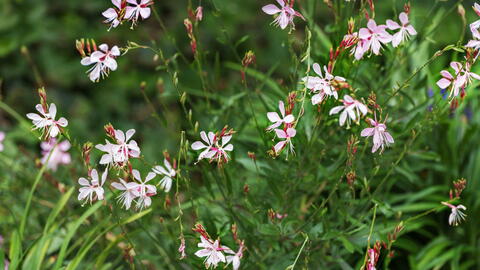
The Gaura plant is truly a marvel of natural design. Its open, airy habit creates a soft, cloud-like effect in the landscape, providing a wonderful contrast to more structured plants. Individual flowers, typically about an inch across, boast four delicate petals and emerge in clusters on long, wiry stems. These blossoms can be pure white or various shades of pink, from soft blush to vibrant rose. The most captivating feature is their subtle movement; even the slightest breeze sets them fluttering, giving rise to its charming common name, "whirling butterflies." For more on this captivating attribute, explore Whirling Butterflies: Add Gaura's Graceful Movement to Your Garden.
Key Characteristics and Botanical Details:
- Botanical Name: Oenothera lindheimeri (syn. Gaura lindheimeri)
- Common Names: Gaura, Appleblossom, Beeblossom, Butterfly Flower, Wandflower, Whirling Butterflies, Indian Feather
- Plant Type: Herbaceous perennial (often grown as an annual in colder climates)
- USDA Hardiness Zones: 5-10
- Exposure: Full sun to part sun (at least 6 hours of direct sunlight)
- Habit: Open, airy, often bushy or vase-shaped, adding fine texture
- Height/Spread: Generally 1 to 4 feet tall and wide, depending on the cultivar
- Bloom Time: Long-blooming, from late spring through fall, with peak flowering in early summer and continuous reblooms
- Flowers: Small, four-petaled, pink or white, resembling butterflies; excellent nectar source
- Foliage: Narrow, lance-shaped leaves, often green but can be mottled with burgundy or variegated, typically deciduous
- Stems: Thin, wiry, upright, sometimes green, red, or burgundy, becoming leafless near the flower clusters
- Toxicity: Non-toxic to dogs, cats, and horses (ASPCA), though minor digestive upset is possible if ingested in large quantities.
Why Every Garden Needs a Gaura Plant
Beyond its undeniable aesthetic appeal, the Gaura plant offers a wealth of practical benefits that make it a standout choice for gardeners looking for beauty without the burden of high maintenance.
A Magnet for Pollinators
If you're passionate about supporting local ecosystems, the Gaura plant is a must-have. Its delicate, nectar-rich flowers are an irresistible draw for a host of beneficial creatures. Butterflies, hummingbirds, and a wide array of native bees and other insect pollinators flock to its blooms, transforming your garden into a buzzing, fluttering hub of activity. Planting Gaura is a simple yet effective way to contribute to pollinator conservation and enjoy the lively spectacle they bring.
Naturally Deer Resistant
For many gardeners, the battle against deer is a constant struggle. The good news is that Gaura is widely recognized as a deer-resistant plant. While no plant is entirely "deer-proof" (a truly hungry deer will try almost anything), Gaura is typically left untouched, making it an excellent choice for gardens in areas prone to deer browsing. Its slightly coarse texture and lack of palatable appeal deter most deer, allowing your blooms to flourish unmolested.
Unbeatable Heat and Drought Tolerance
The Gaura plant truly shines in challenging climates. Its ancestral roots in arid regions have equipped it with an exceptional ability to withstand extreme heat, prolonged drought, and even high humidity. Once established, its robust taproot delves deep into the soil, seeking out moisture and anchoring the plant firmly, making it incredibly self-sufficient. This resilience makes Gaura an ideal candidate for xeriscaping, water-wise gardens, or any landscape where conserving water is a priority.
Endless Blooms and Versatile Design
From late spring to the first hard frost of autumn, the Gaura plant provides a continuous show of color. This extended bloom time ensures your garden remains vibrant for months, offering a dynamic display of white or pink blossoms. Its airy texture and graceful movement make it incredibly versatile in design. Use it as a filler in mixed borders, allow it to spill elegantly from containers, or plant it en masse for a meadow-like effect. It pairs beautifully with ornamental grasses, coneflowers, salvia, and other sun-loving perennials, adding an ethereal quality to any planting scheme.
Growing and Caring for Your Gaura Plant
One of the Gaura plant's most attractive qualities is its low-maintenance nature. Once established, it requires minimal intervention, leaving you more time to enjoy its beauty. For general tips on its care, check out Grow Gaura: The Low-Maintenance Perennial for Stunning Blooms.
When and Where to Plant
- Timing: For perennial varieties, plant in spring in cooler zones (5-7) to allow ample time for root establishment before winter. In warmer zones (8-10), spring or fall planting is suitable. Annual varieties should always be planted in spring after the last danger of frost has passed. Gaura can be grown from seed, though nursery starts are often easier for immediate impact.
- Sunlight: Choose a site that receives a minimum of 6 hours of direct sunlight per day. Full sun is ideal for robust flowering and compact growth. In exceptionally hot climates, some afternoon shade can be beneficial, but too much shade will lead to leggy, floppy growth and fewer blooms.
- Soil: Well-draining soil is paramount for the Gaura plant. It thrives in sandy or loamy soils and tolerates a range of pH levels. Heavy clay soils that retain too much moisture are problematic and can lead to root rot. If you have clay soil, amend it generously with organic matter like compost or grit to improve drainage.
- Spacing: Give your Gaura plants enough room to reach their mature size, typically 1 to 4 feet in diameter. Proper spacing ensures good air circulation, which is vital for plant health.
Watering and Fertilizing
Once established, the Gaura plant is highly drought-tolerant and prefers drier conditions. Water regularly during its first growing season to help it establish its deep taproot. After that, supplemental watering is rarely needed unless you experience prolonged, severe drought conditions. Overwatering is the most common mistake with Gaura and can quickly lead to problems. Always allow the soil to dry out completely between waterings.
Gaura is not a heavy feeder and generally does not require much, if any, fertilizer. In rich garden soils, no additional feeding is necessary. If your soil is very poor, a light application of a balanced, slow-release granular fertilizer in spring can be beneficial, but avoid over-fertilizing, as this can lead to excessive foliage growth at the expense of flowers.
Pruning and Maintenance
- Deadheading: While not strictly necessary for continuous blooming, deadheading (removing spent flowers) can encourage more flushes of blossoms and maintain a tidier appearance.
- Cutting Back: To promote a bushier habit and prevent plants from becoming leggy or flopping, you can cut back the stems by about one-third in late spring or early summer, especially before the heaviest bloom flush. A more significant cut back (to about 6-8 inches from the ground) can be done in late fall or early spring to rejuvenate the plant.
- Winter Care: In colder zones (5-6), apply a layer of mulch around the base of the plant in late fall to provide insulation and protect the crown from freezing temperatures. In milder climates, the plant may remain evergreen or semi-evergreen.
- Pests and Diseases: The Gaura plant is remarkably resistant to most pests and diseases. Occasionally, you might encounter powdery mildew in humid conditions or if air circulation is poor, but these instances are rare. Ensure proper spacing and good air flow to minimize any potential issues.
Conclusion
The Gaura plant is truly a gardener's delight, offering an unparalleled combination of elegance, resilience, and ecological benefits. Its graceful, butterfly-like blooms, extended flowering season, and ability to thrive in tough conditions make it an invaluable asset for any landscape. Whether you're aiming to create a vibrant pollinator garden, searching for a deer-resistant solution, or simply desire a low-maintenance plant that delivers breathtaking beauty, the Gaura plant stands ready to exceed your expectations. Embrace the charm of this adaptable perennial and watch your garden come alive with movement and color.