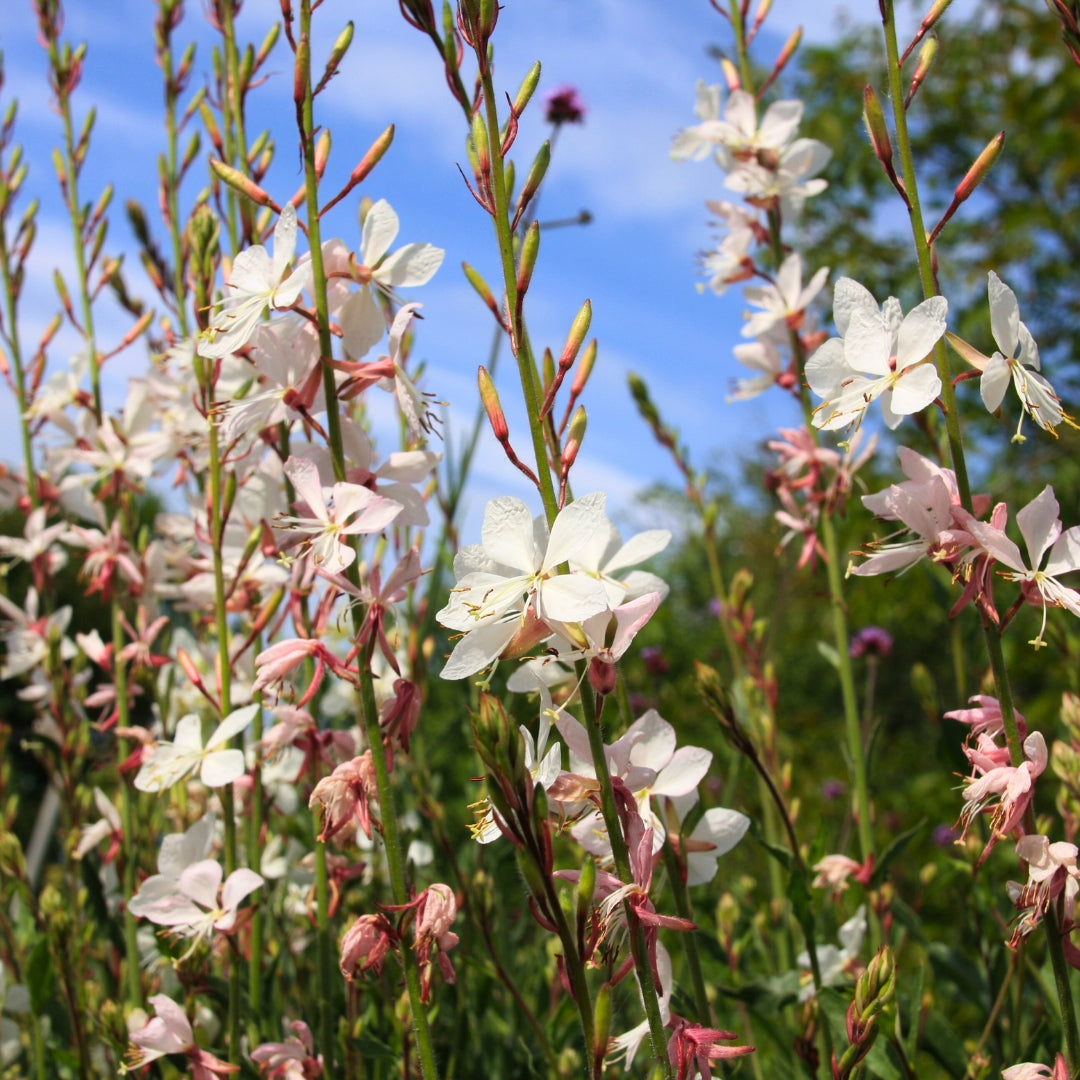
Whirling Butterflies: Add Gaura's Graceful Movement to Your Garden
Imagine your garden alive with a delicate dance, where whispers of wind set tiny blossoms into a mesmerizing flutter. This enchanting spectacle is precisely what the **Gaura plant** brings to any landscape. Often called whirling butterflies, wandflower, or beeblossom, this elegant perennial is a master of understated beauty, offering an ethereal quality that transforms static garden beds into dynamic, living art. With its airy habit, long-lasting blooms, and remarkable resilience, the Gaura plant is more than just an ornamental; it’s a living sculpture, constantly in motion, inviting admiration and wildlife alike. If you're looking to infuse your outdoor space with fine texture, captivating movement, and an extended season of charm, look no further than the delightful Gaura plant.
Discover the Enchantment of the Gaura Plant
The allure of the **Gaura plant** lies in its unique presentation. Delicate, four-petaled flowers, typically in shades of pink or white, emerge from long, slender stems. These stems sway with the gentlest breeze, creating the illusion of a cloud of butterflies in perpetual motion. It’s this captivating movement, combined with its open and airy growth habit, that gives Gaura its distinctive grace and earns it the charming moniker "whirling butterflies."
Botanically known as *Oenothera lindheimeri* (or formerly *Gaura lindheimeri*), this herbaceous perennial is native to the grasslands and prairies of Texas, Louisiana, and northern Mexico. Its origins speak volumes about its robust nature; the Gaura plant is exceptionally carefree and tolerant of challenging conditions, including intense heat, extended drought, and high humidity. This resilience is largely thanks to its deep, carrot-like taproot, which allows it to tap into deeper water sources and withstand dry spells that would decimate less hardy plants.
Beyond its aesthetic appeal, the Gaura plant is a magnet for beneficial garden visitors. Its abundant, nectar-rich flowers provide a vital food source for hummingbirds, butterflies, and a diverse range of insect pollinators throughout its lengthy bloom season, which stretches from late spring well into the fall. This makes it an invaluable addition to any pollinator-friendly garden, contributing to local biodiversity while offering continuous visual interest.
Essential Gaura Plant Care: Thriving in Your Landscape
Cultivating a thriving **Gaura plant** is surprisingly straightforward, making it an excellent choice for both novice and experienced gardeners. Its low-maintenance nature doesn't mean it requires no attention, but rather that its needs are simple and forgiving.
Choosing the Right Location
The success of your Gaura plant largely depends on its initial placement. Choose a site that receives at least 6 hours of direct sunlight daily; Gaura absolutely revels in full sun. While it can tolerate part sun, too much shade will lead to leggy, lanky growth and a reduction in its signature prolific blooms, causing the plant to flop unattractively. In regions with scorching afternoon sun, a touch of dappled shade during the hottest part of the day can be beneficial, preventing the delicate flowers from scorching.
Soil quality is also crucial. Gaura thrives in sandy or loamy soil with excellent drainage. Heavy clay soils that retain too much moisture can lead to root rot, particularly in winter. If your garden has dense soil, amend it generously with organic matter like compost or grit to improve aeration and drainage. Due to its deep taproot, established Gaura plants are notoriously difficult to transplant. Take the time to select the perfect, permanent spot from the outset to avoid stressing the plant later.
Planting Your Gaura
Whether you're starting from seed or nursery plants, timing is key. For annual varieties or in cooler zones, plant your Gaura after all danger of frost has passed in the spring. In warmer zones (USDA Hardiness Zones 7-10), perennial varieties can be planted in either spring or fall. Spring planting in cooler regions gives the plant ample time to establish its robust root system before the onset of winter. When planting, dig a hole twice as wide as the root ball and just as deep. Gently place the plant, ensuring the crown is level with the soil surface, then backfill and water thoroughly to settle the soil.
Watering & Drought Tolerance
Once established, the Gaura plant truly shines in its drought tolerance. Its deep taproot is a marvel of natural engineering, allowing it to withstand extended dry periods with minimal supplemental watering. During the establishment phase (the first few weeks to a month after planting), regular watering is crucial to encourage deep root growth. After that, water deeply but infrequently, allowing the soil to dry out completely between waterings. Overwatering is a common pitfall and can be more detrimental than underwatering, especially in poorly draining soils.
Fertilization & Pruning
The Gaura plant is not a heavy feeder. In fact, too much fertilizer can lead to lush foliage at the expense of flowers and can also make the stems weak and prone to flopping. If your soil is particularly poor, a light application of a balanced, slow-release granular fertilizer in spring can suffice. For most gardens, no additional fertilizer is needed.
Pruning helps maintain the plant's shape and encourages continuous blooming. Deadhead spent flowers regularly to prevent seed formation and redirect the plant's energy into producing more blooms. A more significant pruning can be done in mid-summer by cutting back about a third of the plant to encourage a flush of new growth and a fresh wave of flowers, extending its show into fall. In late winter or early spring, cut back the entire plant by about two-thirds to encourage vigorous, bushy growth for the upcoming season.
The Gaura Plant in Your Garden: Beyond Beauty
The **Gaura plant** offers far more than just visual appeal. Its practical benefits and versatility make it a standout choice for a myriad of garden designs and functions.
Attracting Pollinators
One of Gaura's most significant contributions is its role as a pollinator powerhouse. The delicate, nectar-rich flowers are irresistible to a wide array of beneficial insects and birds. Bees, including native species, hoverflies, and an impressive variety of butterflies, are drawn to the continuous bloom. Even hummingbirds appreciate the slender, tubular flowers. Incorporating Gaura into your garden not only enhances its beauty but also supports local ecosystems, contributing to the health and diversity of your garden's wildlife. To learn more about how this incredible plant can transform your garden into a vibrant habitat, explore our guide on
Gaura Plant: Attract Butterflies, Resist Deer, & Thrive in Heat.
Deer Resistance & Pet Safety
Gardeners often face the challenge of hungry deer, but the Gaura plant offers a welcome solution. It is generally considered deer resistant, meaning deer tend to leave it alone in favor of more palatable options. While no plant is entirely deer-proof if food is scarce, Gaura is a reliable choice for areas prone to deer browsing. Furthermore, for pet owners, peace of mind is paramount. The ASPCA lists Gaura as non-toxic to dogs, cats, and horses. While minor digestive upset might occur if large quantities are ingested, it's not considered harmful, making it a safe addition to family gardens.
Design Versatility
With its open, airy habit and a mature height of 1 to 4 feet tall and wide, Gaura seamlessly integrates into various garden settings. It's a fantastic choice for:
* **Mixed Borders:** Its fine texture provides a beautiful contrast to broader-leaved plants.
* **Containers:** Smaller cultivars thrive in pots, bringing its graceful movement to patios and balconies.
* **Meadow Gardens:** Its native prairie origins make it a natural fit for informal, naturalistic landscapes.
* **Rock Gardens:** Its drought tolerance aligns well with the conditions found in rock gardens.
* **Mass Plantings:** A drift of Gaura creates a breathtaking cloud of color and motion.
Consider pairing Gaura with plants that appreciate similar conditions, such as coneflowers, salvia, coreopsis, Russian sage, or ornamental grasses. Its delicate stature prevents it from overshadowing its neighbors, instead providing a soft, whimsical backdrop. For more practical advice on harnessing the full potential of this resilient beauty, dive into our article:
Grow Gaura: The Low-Maintenance Perennial for Stunning Blooms.
Varieties of Gaura: A Spectrum of Delights
While the classic white and pink varieties of the **Gaura plant** are stunning, breeders have introduced an exciting range of cultivars, offering variations in flower color, foliage hue, and plant size. You can find options with deeper pink to almost red flowers, or those with variegated or burgundy-mottled foliage, adding another layer of interest even when not in bloom. Some popular cultivars are more compact, ideal for smaller spaces or containers, while others maintain the stately height of their wild ancestors. Exploring these different types allows gardeners to select the perfect Gaura to complement their specific aesthetic and garden design. The choice empowers you to create truly unique and captivating displays, each with the signature dancing grace of the whirling butterflies.
Conclusion
The **Gaura plant**, with its exquisite "whirling butterflies" aesthetic and robust, low-maintenance nature, offers an unparalleled blend of beauty and resilience for any garden. From its ability to withstand heat and drought to its magnetic appeal for pollinators, Gaura proves that high impact doesn't have to mean high effort. Whether you're seeking to add delicate movement to a border, enhance biodiversity, or simply enjoy continuous blooms from spring to fall, this charming perennial is an exceptional choice. Embrace the effortless elegance of the Gaura plant and watch your garden come alive with its graceful, fluttering magic.