Discover the Enduring Charm of the Gaura Plant
Imagine a garden alive with the delicate dance of butterflies, even when there's no breeze. That's the enchanting illusion created by the Gaura plant, often affectionately known as 'Whirling Butterflies' or 'Wandflower.' This graceful perennial is a true garden workhorse, offering months of stunning blooms with remarkably little fuss. If you're seeking a low-maintenance beauty that brings fine texture, dynamic movement, and a continuous splash of color to your landscape, the Gaura plant is an undeniable champion.
Native to the sun-drenched grasslands and prairies of Texas, Louisiana, and northern Mexico, Gaura is perfectly adapted to challenging conditions. Its deep, carrot-like taproot allows it to shrug off heat, humidity, and prolonged periods of drought once established, making it an ideal choice for water-wise gardening. Beyond its resilience, the Gaura plant is a magnet for beneficial pollinators, drawing in hummingbirds, butterflies, and a host of other helpful insects with its nectar-rich flowers. Let's delve into what makes this plant so special and how you can successfully grow it in your own garden.
What Makes the Gaura Plant So Special?
The Gaura plant (Oenothera lindheimeri, formerly Gaura lindheimeri) stands out for its unique combination of delicate beauty and robust hardiness. Its common names – beeblossom, butterfly flower, Indian feather, and wandflower – all hint at its most captivating features. This herbaceous perennial typically grows as an open, airy plant with a bushy or vase shape, reaching heights and spreads of 1 to 4 feet depending on the variety.
Elegant Blooms and Foliage
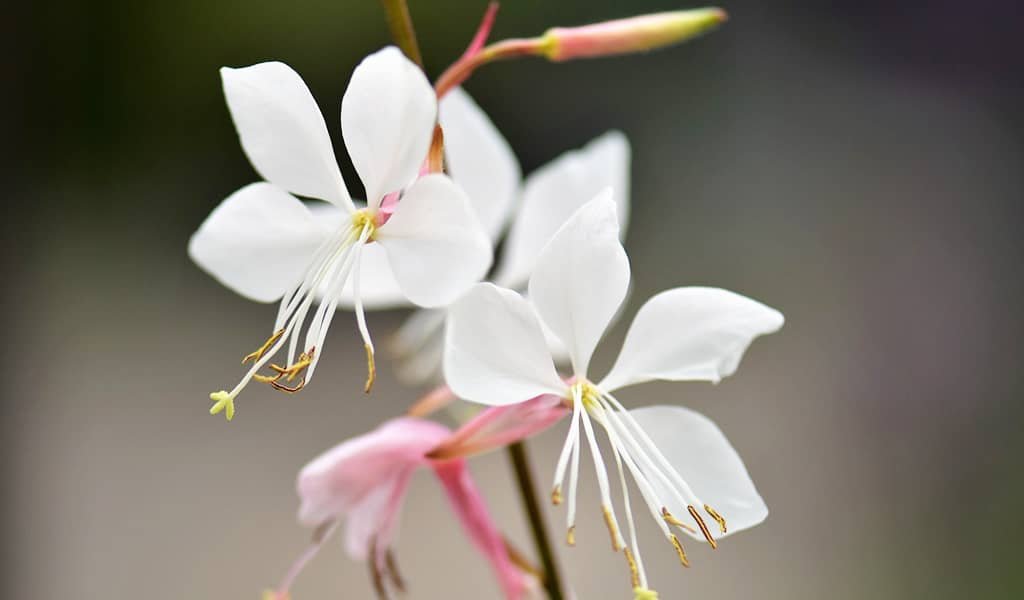
- Flowers: The signature of the Gaura plant is its array of small, four-petaled flowers, usually appearing in shades of pink or white. These charming blossoms are borne on long, slender, wiry stems that seem to float above the foliage, swaying with the slightest air current and truly resembling a cloud of fluttering butterflies. While individual flowers are small (about one inch), they are produced continuously and in abundance from late spring until fall, with the heaviest flush occurring in early summer. This extended bloom time ensures your garden remains vibrant for months.
- Stems: The thin, upright stems are another key feature, often taking on hues of green, red, or burgundy, adding subtle color even when not in full bloom. Leaves are primarily produced at the base, becoming more sparse towards the top where the delicate flowers emerge.
- Foliage: Gaura's narrow, lance-shaped leaves are typically green, but some cultivars showcase attractive mottling, burgundy tones, or variegation, adding another layer of visual interest to the plant's overall appeal.
Beyond its aesthetic value, the Gaura plant is a friend to the local ecosystem. Its abundant nectar provides a crucial food source for butterflies, bees, and hummingbirds, making it an excellent addition to a pollinator garden. Gardeners will also appreciate that Gaura is generally considered deer resistant, though no plant is entirely deer-proof if other food sources are scarce. Furthermore, the ASPCA lists the Gaura plant as non-toxic to dogs, cats, and horses, offering peace of mind for pet owners.
Essential Gaura Plant Care & Growing Tips
One of the Gaura plant's most attractive qualities is its low-maintenance nature. Once established, it requires minimal attention to thrive, making it perfect for both novice and experienced gardeners.
Planting Gaura: When and Where
Timing and location are crucial for giving your Gaura plant the best start:
- When to Plant: Gaura can be grown from seed, but most gardeners opt for nursery starts. Plant them after all danger of frost has passed in spring. If you're in warmer climates (Zones 7-10), perennial varieties can also be planted in the fall, giving them time to establish roots before winter. In cooler regions (Zones 5-6), spring planting is generally recommended.
- Sunlight Requirements: The Gaura plant absolutely loves the sun. Choose a site that receives at least 6 hours of direct sunlight daily for optimal flowering and a sturdy growth habit. While it can tolerate part sun, too much shade will cause it to become leggy, sparse, and prone to flopping. In extremely hot climates, some afternoon shade can be beneficial to protect it from the most intense midday sun.
- Soil Conditions: Good drainage is non-negotiable for Gaura. It thrives in average to poor, sandy, or loamy soils. Heavy clay soils that retain too much moisture can lead to root rot, so amend with organic matter and grit if your soil is poorly draining.
- Planting Considerations: Due to its extensive taproot, the Gaura plant dislikes being moved once established. Choose its permanent home wisely, as transplanting can be difficult and often unsuccessful.
Ongoing Care for Thriving Gaura Plants
Once your Gaura is settled, caring for it is surprisingly simple:
- Watering: Newly planted Gaura needs regular watering to help its root system establish. Keep the soil consistently moist but not waterlogged for the first growing season. Once established, the Gaura plant is remarkably drought-tolerant, requiring infrequent watering even during dry spells. Overwatering is a common mistake and can be detrimental.
- Fertilization: Gaura is not a heavy feeder and generally doesn't require supplemental fertilizer, especially if planted in reasonably fertile soil. In fact, too much fertilizer, particularly high-nitrogen formulas, can encourage leafy growth at the expense of flowers and lead to a weaker, floppier plant.
- Pruning and Deadheading:
- Deadheading: While not strictly necessary for continuous bloom (it self-cleans fairly well), deadheading spent flower stalks can encourage an even more prolific rebloom and maintain a tidier appearance.
- Pruning for Shape: If your Gaura plant starts to get leggy or floppy, you can cut it back by about one-third in mid-summer to encourage bushier growth and a fresh flush of flowers.
- Seasonal Cutback: In late fall or early spring, cut back the entire plant to about 6-12 inches from the ground. This rejuvenates the plant, promotes strong new growth, and improves overall vigor.
- Pests and Diseases: The Gaura plant is refreshingly resistant to most common pests and diseases. Occasionally, it might encounter powdery mildew in humid conditions or if air circulation is poor, but this is usually minor.
- Winter Care: In its hardiness zones (5-10), Gaura typically overwinters without issue. In colder zones, a layer of mulch applied in late fall can provide extra root protection.
Integrating Gaura into Your Landscape Design
The Gaura plant's airy texture and continuous movement make it an incredibly versatile addition to various garden styles. Its unique form provides a soft, hazy counterpoint to more structured plants, adding a dynamic, whimsical feel to any setting.
- Beds and Borders: Plant Gaura in drifts among other perennials to create a stunning effect. Its delicate stems and flowers can soften the edges of a border or fill in gaps between larger shrubs. It pairs beautifully with plants that have contrasting forms, like coneflowers, salvias, ornamental grasses, or sedum.
- Cottage and Prairie Gardens: Given its native origins and informal beauty, Gaura is a natural fit for cottage, wildflower, and prairie-style gardens, where its 'whirling butterflies' can flutter freely.
- Containers: While it develops a deep taproot, many Gaura varieties perform well in large containers, especially those grown as annuals in colder climates. This allows you to bring its delicate beauty closer to patios and seating areas.
- Mass Plantings: For a truly breathtaking spectacle, consider mass planting Gaura. The collective effect of hundreds of fluttering blooms creates a living tapestry of color and movement.
For more ideas on how to leverage the dynamic presence of this plant, check out our article: Whirling Butterflies: Add Gaura's Graceful Movement to Your Garden.
Why Choose the Gaura Plant for Your Garden?
The reasons to welcome a Gaura plant into your garden are compelling and numerous. It’s a plant that delivers substantial visual impact and ecological benefits with minimal effort. From its season-long display of ethereal blooms to its unwavering resilience in the face of challenging conditions, Gaura truly offers the best of both worlds.
Whether you're looking to attract pollinators, create a drought-tolerant landscape, or simply add a touch of whimsical beauty that dances in the breeze, the Gaura plant is an exceptional choice. Its deer resistance and non-toxic nature further cement its status as a garden favorite for families and wildlife enthusiasts alike. For an even deeper dive into its many benefits, including its ability to thrive in challenging environments, read more here: Gaura Plant: Attract Butterflies, Resist Deer, & Thrive in Heat.
In conclusion, the Gaura plant is a testament to nature's ability to combine delicate beauty with unwavering strength. Its low-maintenance requirements, long blooming period, and ecological contributions make it an invaluable asset to any garden. By providing full sun and well-draining soil, you can enjoy months of its enchanting 'whirling butterflies,' transforming your outdoor space into a vibrant, dynamic sanctuary.